Who Dey in November: The Bengals' Season Reaches Its Verdict Months
Paycor Stadium's riverfront crowds get the games that decide the AFC North now — the Steelers and Ravens part of the calendar, when Cincinnati football turns serious.
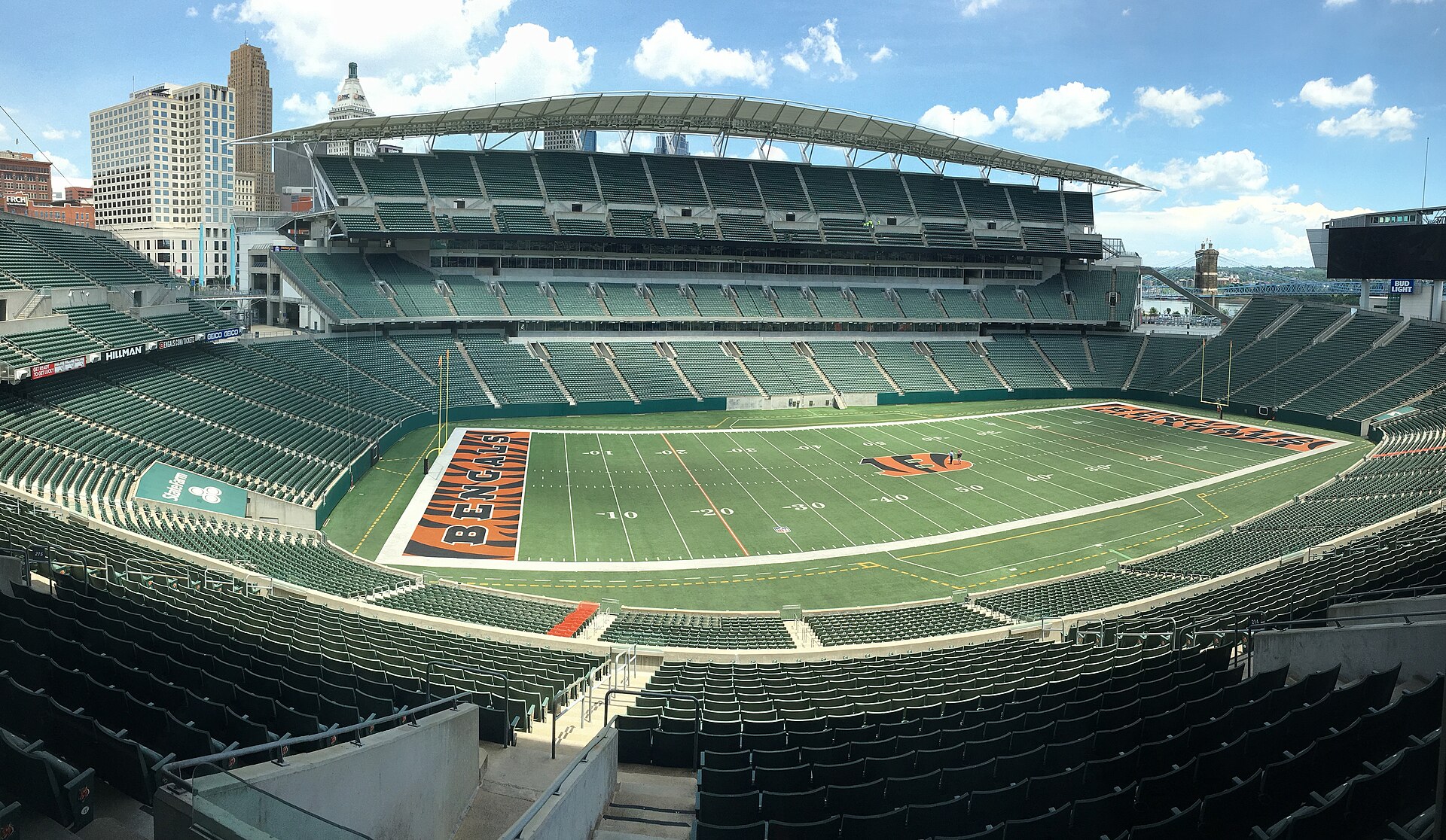
November is when the Cincinnati Bengals' season stops being potential and becomes arithmetic. The AFC North's round-robin — Pittsburgh, Baltimore and Cleveland, the division that plays the NFL's most physical football — concentrates in the season's second half, and Paycor Stadium's crowds get the home dates that decide January.
The Bengals' modern identity was built in a hurry: the 2021 team that rode a young quarterback and a fearless offense to Super Bowl LVI made Cincinnati a national football city in a way not seen since the 1980s, and the fan base's expectations reset permanently. 'Who Dey' — the chant older than most of the roster — is the sound of a fan base that waited decades and now declines to wait quietly.
Paycor Stadium itself is part of Cincinnati's riverfront argument: opened in 2000 on the Banks' western end, the open-air stadium seats about 65,500 and hosts the full modern calendar beyond football — concerts and the Cincinnati Music Festival's stadium nights in summer.
November home games are the building's best self: cold air off the river, the skyline lit behind the north end zone, and the division race close enough to make every third down a civic event.
The Bengals' presence anchors Hamilton County's peculiar stadium economics — the sales-tax deal that built both riverfront stadiums remains a standing topic of county politics — and game days run the riverfront economy at capacity from the Banks to Covington's shore.
Whatever the standings say by Thanksgiving, November in Cincinnati includes the Bengals at full volume. The season's story gets written now, in the cold, where it belongs.