Findlay Market: Ohio's Oldest Public Market in Its Best Season
Operating since 1852 in Over-the-Rhine, Findlay Market is where Cincinnati shops, eats and argues about goetta. November is its harvest prime.
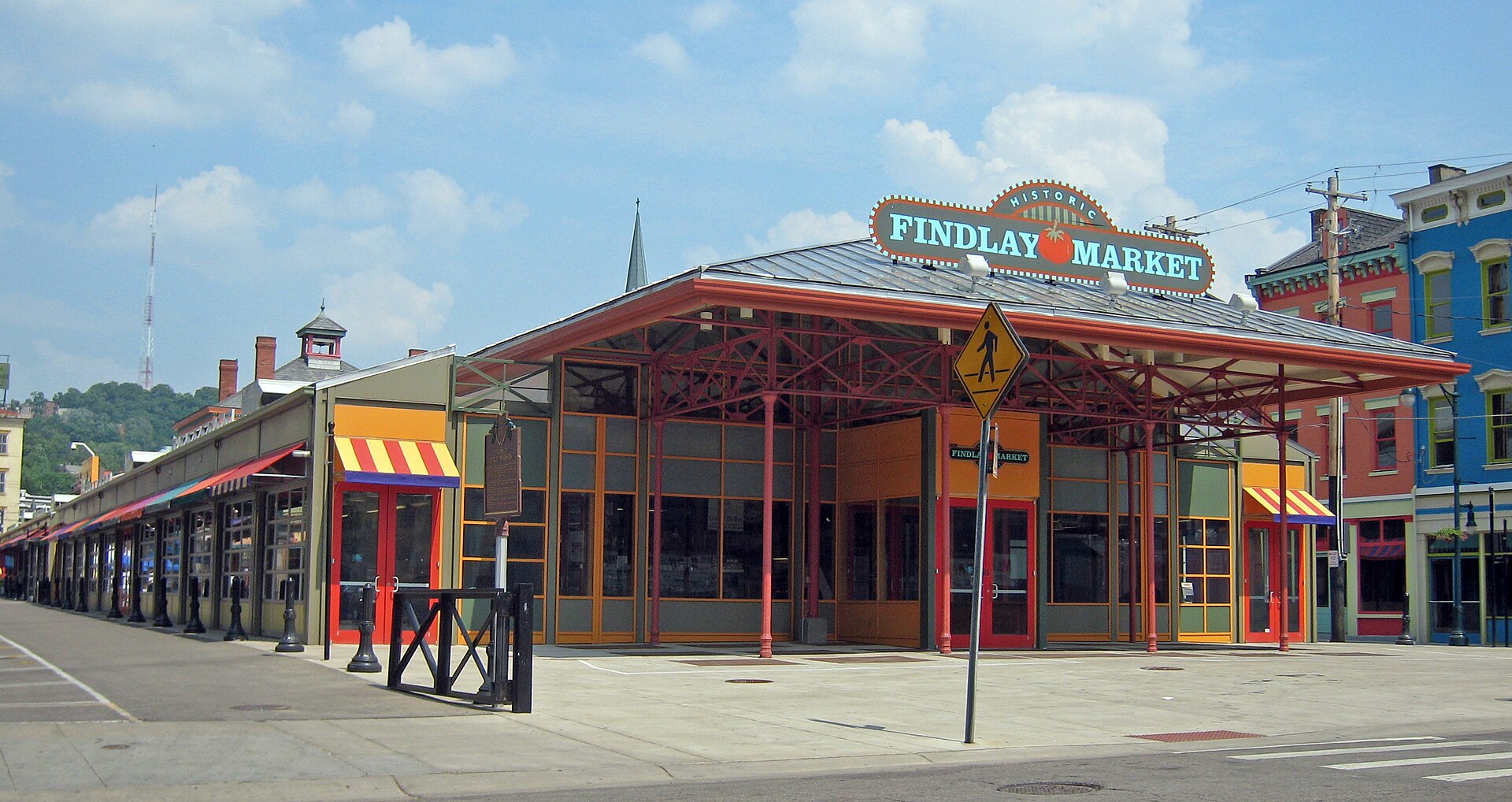
Findlay Market has been feeding Cincinnati since 1852, which makes it Ohio's oldest continuously operated public market — and the anchor of Over-the-Rhine, the dense 19th-century German neighborhood whose breweries, churches and tenements now hold one of the largest intact urban historic districts in America.
The market house on Race Street runs on a weekly rhythm: indoor merchants — butchers, bakers, fishmongers, produce dealers, spice and cheese sellers — open through the week, while weekends add the farmers market and outdoor vendors in the surrounding streets, plus the street performers, cafe tables and crowd that make Saturday at Findlay a civic event.
November is the market's harvest season: Ohio apples and squash, the last of the field produce, Thanksgiving ordering from the butchers, and the city's appetites turning toward the holiday table. It is also when the market's essentials show — this is a working food market for its neighborhood first, and a destination second, and the mix is the point.
The market is publicly owned and operated by a nonprofit corporation, a structure that has kept vendor rents within reach of small food businesses — the reason a shopper can still buy from family stands that have held their spots for generations.
Over-the-Rhine around it has become Cincinnati's comeback story: restored Italianate buildings, Music Hall across Elm Street — home of the Cincinnati Symphony and Opera — Washington Park's lawn, and a brewery and restaurant scene built into the old lager cellars.
Go on a Saturday morning. Buy something you've never cooked. Ask the vendor how. That's the market working as designed since before the Civil War.